The People Behind the Process: How City Staff Shape Your Neighborhood—and How to Work With Them
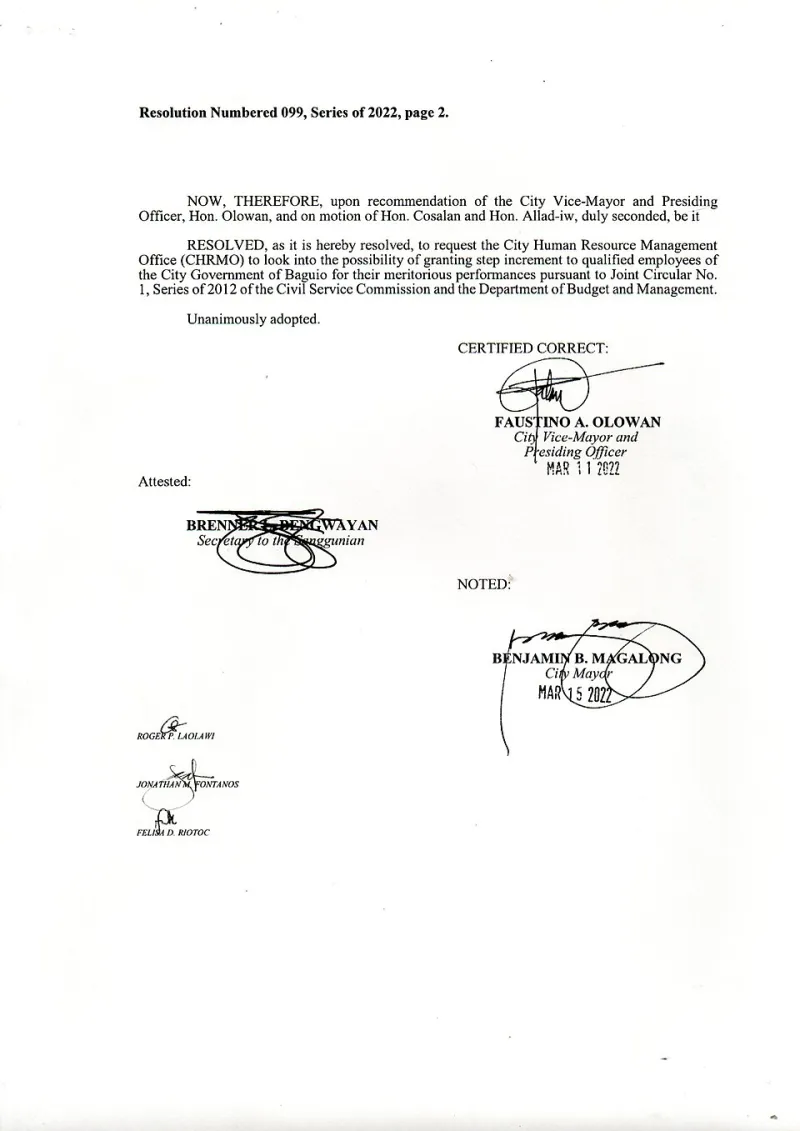
Photo: IsabeloCosalan, CC0, via Wikimedia Commons
When residents call this office about a flooded alley, a stalled building permit, or a tree limb hanging dangerously over a power line, the first instinct is often to assume that the Alderman personally dispatches a crew to fix the problem. The reality is more nuanced—and, once you understand it, considerably more empowering.
Behind every city service that touches your daily life stands a network of career municipal employees: inspectors, coordinators, engineers, and department liaisons who translate policy into action. These are not political appointees who come and go with each election cycle. Many have worked for the city for a decade or more. They know the systems, the shortcuts, and the sticking points better than almost anyone. And yet, most residents never learn their names.
This piece is an effort to change that.
Why Career Staff Matter More Than Most Residents Realize
Elected officials set priorities and cast votes. Department commissioners manage broad portfolios and answer to the mayor's office. But the people who actually determine how quickly your service request moves through the queue—or whether it moves at all—are often mid-level staff: the ward superintendent who schedules pothole crews, the zoning coordinator who routes variance applications, the building department examiner who reviews your contractor's permit submission.
These professionals operate within systems that are, frankly, not designed for speed. They manage competing demands, limited resources, and bureaucratic workflows that have accumulated layers of procedure over decades. A resident who understands this context is far better positioned to advocate effectively than one who simply expects results because they filed a 311 request.
Knowing who handles what—and treating those individuals with genuine respect rather than as obstacles—can mean the difference between a six-week wait and a six-day turnaround.
A Resident's Map of the Municipal Workforce
Here is a practical overview of the city staff roles most likely to affect your quality of life at the ward level:
Ward Superintendents and Streets & Sanitation Coordinators These are the field supervisors responsible for the physical condition of your block. They oversee pothole repair crews, alley grading, garbage pickup schedules, and snow removal routes. Building a professional relationship with your ward's Streets & Sanitation contact—even a brief introductory phone call—can help you understand why certain repairs are delayed and what documentation accelerates their prioritization.
Building Department Plan Examiners and Inspectors If you have ever waited weeks for a permit that seemed straightforward, a plan examiner is likely involved. These specialists review construction drawings for code compliance before approvals are issued. When delays occur, it is often because submitted documents are incomplete rather than because the department is dragging its feet. Knowing this helps you—or your contractor—submit correctly the first time.
Zoning Department Staff Zoning coordinators process variance applications, special use permits, and planned development requests. They are distinct from the Zoning Board of Appeals, which renders decisions. Staff coordinators determine whether your application is complete and how it is scheduled. Engaging them early in the process, before an application is formally submitted, can surface issues that would otherwise cause costly delays.
Department of Water Management Field Crews Water main breaks, sewer backups, and hydrant malfunctions fall under this department's jurisdiction. Field crews operate around the clock, but their dispatch priorities are set by supervisors who weigh severity, location, and infrastructure age. When residents report issues through 311 and then follow up directly with the ward office, staff can help ensure those reports are flagged appropriately.
Chicago Department of Transportation (CDOT) Project Managers For larger infrastructure concerns—crosswalk installations, traffic signal timing, bike lane striping—CDOT project managers are the relevant contacts. These are engineers and planners who manage capital project queues. They respond to data, community petitions, and formal requests from aldermanic offices. Understanding that their decisions are driven by documented need gives residents a clear path: gather evidence, organize neighbors, and submit a formal request through this office.
How to Engage City Staff Effectively
Building productive relationships with municipal employees is not about circumventing the system. It is about understanding it well enough to participate in it intelligently. A few principles:
Be specific, not emotional. City staff respond to precise information. A report that includes an address, a description of the problem, and a timeline of when it began is far more actionable than a general complaint. Document issues with photographs whenever possible.
Follow up in writing. Phone calls are useful for introductions; emails create records. When you speak with a staff member, follow up with a brief written summary of what was discussed. This protects you and demonstrates that you are a serious constituent.
Acknowledge the constraints they work within. Municipal employees are not withholding services out of indifference. They are managing real resource limitations. Acknowledging this reality—without excusing unacceptable delays—tends to produce more cooperative responses than adversarial pressure alone.
Use this office as a bridge. One of the core functions of the Alderman's office is precisely this: to serve as a liaison between residents and city departments. When you bring a service issue to our attention, we can often connect you directly with the appropriate staff contact, provide context about where your request stands in the queue, and apply appropriate follow-up pressure when timelines are unreasonable.
The Relationship Between This Office and City Departments
It is worth being candid about how this relationship works. Aldermanic offices do not have command authority over city departments. We cannot order a crew to your block. What we can do—and do regularly—is maintain working relationships with department liaisons, flag constituent issues for expedited review when circumstances warrant, and hold departments accountable when response times fall below acceptable standards.
The effectiveness of that advocacy depends, in part, on the quality of information residents bring to us. The more clearly you can describe a problem, the more effectively we can communicate it to the right people.
An Invitation to Engage
The municipal workforce that serves our ward is largely composed of dedicated professionals who take their responsibilities seriously. They are not the faceless bureaucracy of political caricature. They are neighbors, parents, and community members who chose careers in public service.
Learning their roles—and approaching them with informed respect—is one of the most practical things a resident can do to improve outcomes for their block. This office is committed to helping you make those connections.
If you have a persistent service issue or want guidance on which city department handles a specific concern, contact our ward office directly. We are here to help you navigate the system—not around it, but through it, effectively and with your interests clearly represented.