If Your Neighbor's Roof Is Caving In, Your Block Is Already Affected
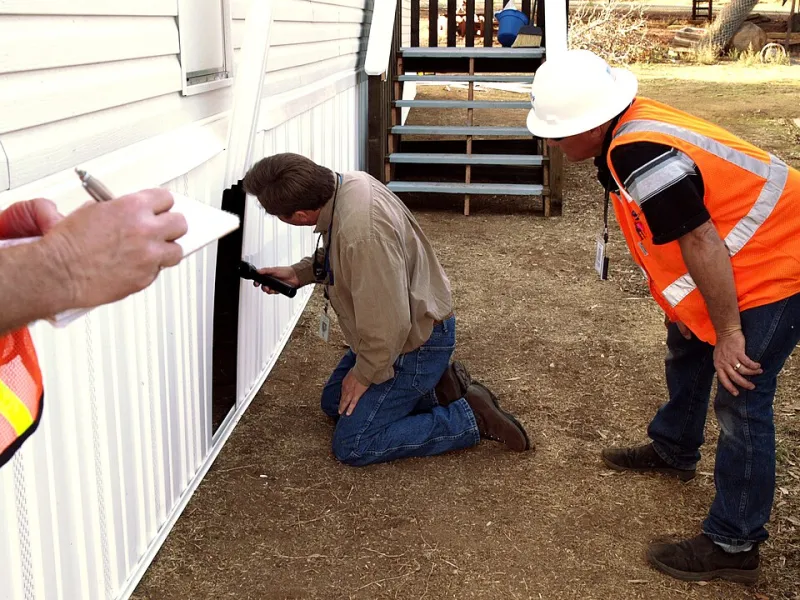
Photo: Amanda Bicknell, Public domain, via Wikimedia Commons
There is a persistent myth in urban neighborhoods that what happens inside someone else's property is none of your business. In practice, the opposite is true. A crumbling porch railing, an unaddressed rodent infestation, or exposed electrical wiring at the property next door is not simply that owner's problem to solve on their own schedule. It is a shared liability—one that affects your safety, your children's health, and the long-term vitality of the block you call home.
Our office hears from residents every week who noticed a problem months before it became a crisis but weren't sure they had the standing to say something. You do. In fact, reporting housing code violations is one of the most direct and consequential civic acts available to any constituent in our ward. This guide is designed to remove every barrier standing between you and that first phone call.
What Counts as a Housing Code Violation?
Chicago's Municipal Code establishes minimum standards for the maintenance of residential properties, and the list of potential violations is longer than most residents realize. You do not need to be a contractor or a building inspector to recognize many of the most common problems. Here is what to look for:
Structural Hazards Sagging or visibly deteriorating rooflines, crumbling foundation walls, collapsing porches, broken or missing stair railings, and doors or windows that have been boarded up without a permit are all red flags. These conditions are not merely aesthetic—they represent genuine physical danger to occupants and, in some cases, to passersby on the public way.
Pest Infestations Rodent activity—burrow holes along building foundations, droppings near entryways, or visible rat runs in alleys—is both a housing code violation and a public health issue. The same applies to cockroach infestations severe enough to be visible from outside a unit, or evidence of bedbug or vermin activity that a landlord has failed to remediate after tenant notification.
Electrical and Utility Failures Exposed wiring on exterior walls, utility boxes left open and accessible, non-functioning smoke or carbon monoxide detectors in rental units, and properties with utilities illegally disconnected or rerouted are all violations. These conditions are among the most dangerous, and they disproportionately appear in rental housing where absentee landlords have deferred basic maintenance.
Environmental Hazards Chipping or peeling paint on pre-1978 housing is a serious lead-paint concern, especially in units occupied by children under six. Standing water in basements or crawl spaces, mold visible on exterior walls, and improper storage of hazardous materials on residential lots also fall under code enforcement jurisdiction.
Overcrowding and Illegal Conversions If a single-family home appears to be housing an unusually large number of occupants, or if a basement or attic has been converted into a rental unit without proper egress windows, ventilation, or ceiling height, those are potentially illegal conversions that put vulnerable tenants at risk.
How to File a Complaint: A Step-by-Step Breakdown
Knowing what to report is only half the equation. Here is how to actually get a complaint into the system:
Step 1: Document What You Observe Before you file anything, take photographs or video from a public vantage point—the sidewalk, the alley, or the parkway. Note the date, time, and address. You do not need to trespass or enter private property. What is visible from public space is more than sufficient to initiate an inspection.
Step 2: Contact the City's 311 Service Center Chicago's 311 system is the primary intake point for housing complaints. You can reach it by phone (dial 3-1-1), through the CHI311 app, or online at 311.chicago.gov. Select "Building Inspection Request" and provide the property address, a description of what you observed, and any photographs you have. You will receive a service request number—write it down.
Step 3: Reach Our Office Directly If your complaint involves an urgent safety hazard, a landlord with a history of violations, or a property that has received prior complaints without resolution, contact our ward office directly. We can escalate cases within the Department of Buildings and ensure that your service request does not languish in a queue. Our staff tracks open cases and can tell you exactly where your complaint stands.
Step 4: Know Your Rights Regarding Anonymity Complainants are not required to identify themselves to the property owner. The city's inspection system does not disclose the identity of the person who filed a complaint. If you are a tenant reporting conditions in your own building, additional protections apply under Chicago's Residential Landlord and Tenant Ordinance, including anti-retaliation provisions.
What Happens After You File?
Once a complaint is logged, the Department of Buildings is required to dispatch an inspector. For urgent or emergency conditions—imminent structural collapse, fire hazards, or utility failures—response is typically prioritized within 24 hours. Standard complaints are addressed within a longer window, which is why timely documentation and follow-up matter.
If a violation is confirmed, the property owner receives a written notice and a deadline for correction. Failure to comply can result in fines, court action, or in severe cases, the city moving to remediate the hazard and lien the property for the cost. Our office monitors repeat-offender properties closely and advocates for escalated enforcement when landlords treat fines as a cost of doing business rather than a genuine incentive to comply.
A Note on Tenant Residents
If you are a renter experiencing code violations inside your own unit—mold, no heat in winter, broken locks, pest infestations—you have a distinct set of rights and remedies beyond the 311 process. Chicago law requires landlords to maintain habitable conditions, and tenants have the right to withhold rent or make repairs and deduct costs in certain circumstances. Contact our office or reach out to a tenant rights organization such as the Metropolitan Tenants Organization for guidance specific to your situation.
Community Vigilance Is Not Surveillance—It Is Stewardship
Reporting a housing code violation is not about punishing a neighbor. In the vast majority of cases, violations exist because a landlord has neglected their legal obligations, not because the people living in that building have done anything wrong. When you file a complaint, you are advocating for the tenants inside that building as much as for the broader neighborhood around it.
Our ward is stronger when residents are engaged, informed, and willing to act. If you have questions about a specific property, are unsure whether what you've observed constitutes a violation, or want help navigating the complaint process, our office is here. That is precisely what we are for.