The Slow Drain: How Deferred Maintenance on Forgotten Infrastructure Is Quietly Costing Our Ward
Photo: Wonderlane from Seattle, USA, CC BY 2.0, via Wikimedia Commons
Every budget season, infrastructure spending gets reduced to its most visible and politically legible form: miles of road resurfaced, lane-miles of new pavement, the occasional ribbon-cutting at a reconstructed intersection. These are real improvements, and they matter. But they represent only a fraction of the physical systems that a city relies upon to function—and an even smaller fraction of what residents in working-class and historically underinvested neighborhoods actually need repaired.
The infrastructure that tends to fall through the cracks is not dramatic. It does not generate press releases. A storm drain clogged with debris does not make the evening news until the basement it floods belongs to someone with a camera and a social media following. A streetlight that has been dark for six months becomes invisible to the people who do not have to walk past it at midnight. A bus shelter with a missing wind panel is a minor inconvenience in October and a genuine hardship in January. These are the potholes nobody talks about—and they are doing more damage than most residents realize.
The Compounding Cost of "Minor" Neglect
Deferred maintenance is not a neutral budget decision. It is a choice with a price tag, and that price tag grows over time in ways that are entirely predictable and almost entirely avoidable.
Consider the storm drain. A standard catch basin that is cleaned and inspected on a regular schedule costs relatively little to maintain. A catch basin that has been neglected for several years accumulates sediment, debris, and structural deterioration. When it fails during a heavy rainfall event, the consequences extend far beyond the drain itself: flooded basements, property damage, overwhelmed sewer systems, and in some cases, the kind of localized flooding that qualifies for federal disaster declarations. The cost of remediation is not ten times the cost of prevention. It is frequently one hundred times or more, once you account for infrastructure repair, property claims, and public health response.
The same logic applies across categories. Alley lighting that is allowed to fall into disrepair does not merely inconvenience residents—it creates documented conditions that correlate with increased rates of property crime. Researchers at the University of Chicago's Crime Lab have produced substantial evidence that adequate outdoor lighting is among the most cost-effective crime-reduction tools available to municipal governments. When we allow alley lights to go dark and stay dark, we are not saving money. We are transferring the cost of that neglect onto residents in the form of stolen vehicles, break-ins, and the cumulative psychological toll of feeling unsafe in one's own neighborhood.
Bus shelters are perhaps the most underappreciated piece of urban infrastructure in this equation. They are, in the most fundamental sense, the public face of the transit system at the street level. A maintained shelter communicates that the city values the people who depend on public transit—who are disproportionately lower-income residents, seniors, people with disabilities, and essential workers. A broken, filthy, or structurally compromised shelter communicates the opposite. Transit ridership data consistently shows that shelter conditions influence whether people choose to use the bus or train. When ridership declines, the case for service investment weakens. Neglect, in other words, creates a self-reinforcing cycle of disinvestment.
Who Bears the Burden?
It would be convenient if deferred maintenance were distributed randomly across a city's geography. It is not. Decades of research, as well as the lived experience of residents in our ward, confirm that infrastructure neglect clusters in neighborhoods that have historically had less political power, less access to capital, and less capacity to mount sustained advocacy campaigns.
The reasons are structural. Wealthier neighborhoods generate more 311 calls per capita, have more organized block clubs and neighborhood associations, and are more likely to have residents with the time, resources, and connections to escalate complaints when the standard process fails. This is not a criticism of those residents—it is an observation about how political responsiveness works in the absence of intentional corrective mechanisms.
Our office is committed to being one of those corrective mechanisms. That means proactively identifying neglected infrastructure in the parts of our ward that generate the fewest complaints—not because conditions are better there, but because residents may have less bandwidth or less confidence that the system will respond. It also means advocating at the city budget level for maintenance funding formulas that account for historical underinvestment, rather than simply rewarding the wards that are loudest.
A Framework for Resident Documentation
One of the most powerful things any constituent can do is help us build an evidence base for maintenance needs before they reach crisis level. Here is a practical approach:
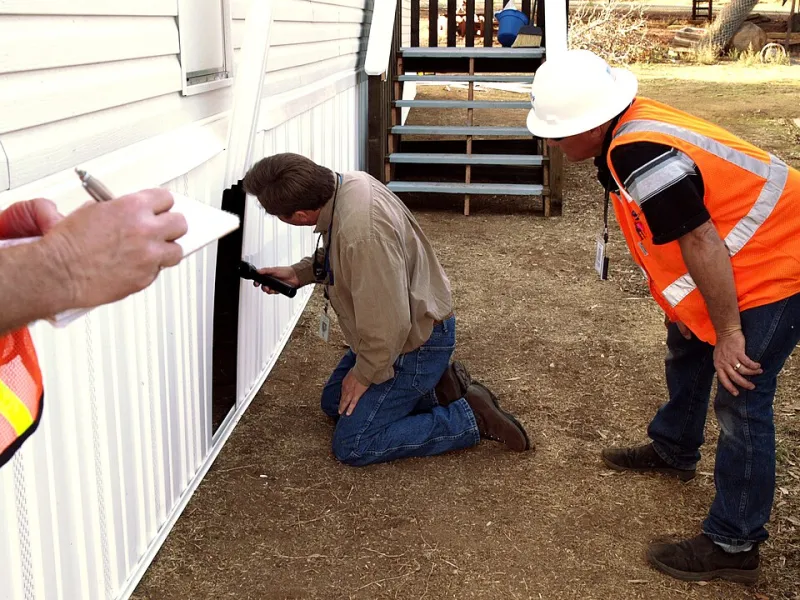
Map What You See Regularly You traverse the same routes every day—to the grocery store, to the train station, to school drop-off. Those routes are where you are most likely to notice gradual deterioration. Keep a mental note, or better yet a physical one, of assets that appear to be declining: lights that flicker or go dark, drain grates that are cracked or submerged in standing water, shelter panels that are missing or broken, alley surfaces that are developing significant heaving or ponding.
Report Through 311—And Keep Your Confirmation Numbers Every 311 service request generates a tracking number. Retain these. If a request is closed without resolution, or if the same problem recurs within a short period, that pattern of documentation is exactly the kind of evidence our office uses to escalate with the relevant city department. A single complaint can be dismissed as an outlier. A documented history of recurring complaints at the same location is much harder to ignore.
Photograph With Timestamps Smartphone photos automatically embed date and location metadata. A photograph of a flooded alley taken the morning after a rainstorm is worth considerably more in an aldermanic budget hearing than a verbal description of the problem. Document conditions as you encounter them, and share that documentation with our office.
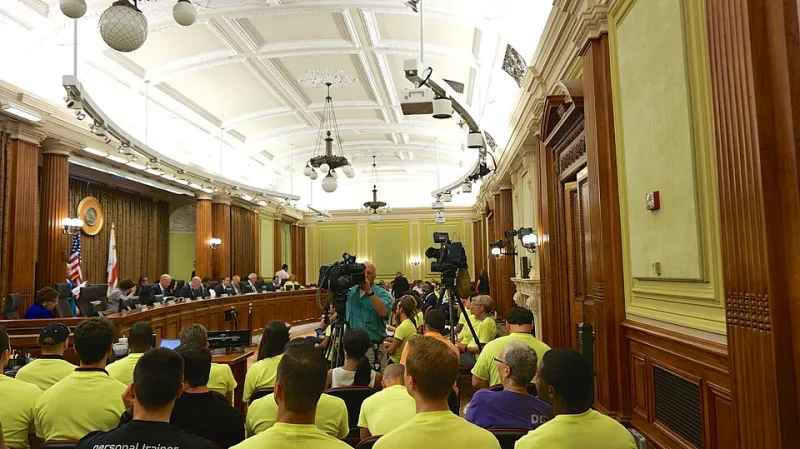
Attend Ward Nights and Budget Hearings Our office holds regular constituent meetings where infrastructure concerns can be raised directly. The city's annual budget process, which typically begins in the fall, is the moment when maintenance funding levels are actually determined. Resident testimony during that process—specific, documented, and tied to real locations in our ward—carries genuine weight.
The Preventive Maintenance Case We Need to Make Together
There is a straightforward argument to be made at City Hall, and we intend to keep making it: investing in preventive maintenance on overlooked infrastructure is not a luxury expenditure. It is the most fiscally responsible approach available, and it is the approach that most directly benefits the residents who have the least margin for the disruptions that deferred maintenance eventually produces.
Making that argument effectively requires data, and data requires engaged residents who are willing to document what they see and share it with us. Our ward's infrastructure challenges did not develop overnight, and they will not be resolved in a single budget cycle. But the work of building an evidence-based case for equitable maintenance investment starts on the ground—with the resident who photographs the clogged drain, calls 311 about the dark streetlight, and shows up at the ward meeting to say, clearly and on the record, that this block deserves the same attention as any other block in this city.
We are listening. And we are fighting for exactly that.