Left Holding the Hammer: What to Do When Your Contractor Vanishes and the Permit Goes Cold
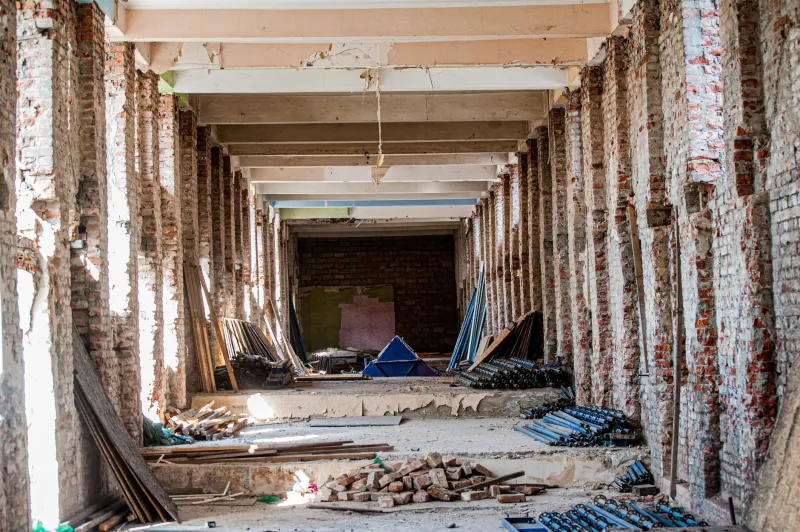
It starts with a missed Monday. Then a week of unanswered calls. Then you walk out to your backyard and realize the foundation work is half-finished, the materials are still stacked on your lawn, and the contractor you paid a substantial deposit to has, for all practical purposes, ceased to exist. Meanwhile, somewhere in the city's permitting system, an open construction permit sits attached to your address—and with it, a cloud of legal and financial uncertainty that won't lift until the project is formally closed.
This scenario is more common than most residents realize, and it lands squarely at the intersection of city bureaucracy, contractor accountability, and the kinds of constituent problems this office was built to help resolve. If you are living through it right now, this article is for you.
How Permits Work—and Why an Open One Can Hurt You
When a licensed contractor pulls a permit for renovation or construction work in Chicago, they are making a formal commitment to the city: the work will meet code, inspections will be scheduled, and the permit will eventually be signed off as complete. That permit is tied to your property address in the city's records. An open permit is not a neutral status. It can delay or derail a home sale, complicate your homeowner's insurance, and in some cases trigger city notices if required inspections go overdue.
Contractors—not homeowners—are the permit holders in most residential construction scenarios. That asymmetry matters enormously when things go wrong. You paid for the work. You own the property. But the legal relationship with the city runs through the contractor's license. When that contractor disappears, you are left navigating a system you were never formally a party to.
Legitimate Delay Versus Contractor Negligence: Knowing the Difference
Before escalating, it is worth doing a clear-eyed assessment of what you are actually dealing with. Not every stalled permit is a sign of fraud or abandonment. The city's permitting pipeline has real bottlenecks—inspector scheduling backlogs, plan review delays, and departmental processing times that can stretch legitimate projects well beyond their original timelines.
Here is what a legitimate delay typically looks like: your contractor is reachable, can provide documentation of where the permit stands in the review process, and has a credible explanation tied to city timelines rather than their own inaction. They may be frustrated, but they are engaged.
Contractor negligence or abandonment looks different. The contractor is unreachable or provides vague, inconsistent explanations. Inspections that should have been scheduled weeks ago have not been requested. Work stopped without a clear reason tied to permit status. Subcontractors are calling you—not your contractor—asking about payment. Any one of these signs warrants escalation. Several of them together suggest a serious problem that requires immediate action.
What You Can Do Right Now
Start by pulling the permit record yourself. Chicago's building permit data is publicly accessible through the city's data portal and the Department of Buildings' online tools. Search by your address and review the permit's current status, the license number of the contractor who pulled it, and any inspection history. Screenshot and save everything you find.
Next, document your attempts to contact the contractor in writing. Emails and text messages create a timestamped record. If you have paid by check or credit card, gather those records as well. If you paid a substantial amount by credit card, contact your card issuer—depending on the circumstances, a dispute may be possible.
File a complaint with the Illinois Department of Financial and Professional Regulation (IDFPR), which licenses contractors. A formal complaint creates an official record and can trigger an investigation into the contractor's license status. If the contractor is already operating on a suspended or expired license—something that happens more often than residents expect—that information will surface here.
For amounts that may fall within small claims court thresholds, consult with a legal aid organization about your options. The Chicago Bar Association's Lawyer Referral Service can connect you with attorneys who handle contractor disputes.
Where This Office Comes In
Aldermanic offices do not issue permits, license contractors, or adjudicate civil disputes. It is important to be honest about those limits. What this office does have is a direct working relationship with the Department of Buildings and the ability to formally flag a constituent's case for review—which can meaningfully accelerate a response in ways that a resident calling the general helpline simply cannot replicate.
When you contact this office about a stalled permit situation, here is what we can do. We can submit a formal inquiry to the Department of Buildings requesting a status update and timeline on your specific permit. We can flag cases where a contractor appears to have abandoned a project, prompting the department to examine whether enforcement action is warranted. We can connect you with the city's consumer protection resources and help you understand your options under Chicago's municipal code.
In cases where the open permit is creating an imminent problem—such as a pending home sale or an unsafe structural condition—we can advocate for expedited review. That advocacy does not guarantee a particular outcome, but it does put your case in front of the people with the authority to act on it, with a clear record that an elected official is paying attention.
The Harder Conversation: Prevention
For residents who are not currently in crisis but are planning a renovation, this moment is worth pausing on. The single most effective protection against contractor abandonment is verifying licensure before work begins. Check the contractor's license status on the IDFPR website. Ask for proof of insurance—both general liability and workers' compensation—and verify it directly with the insurer. Structure payment schedules around completed milestones, not calendar dates, and avoid paying more than a modest deposit before work commences.
Ask your contractor directly: who is pulling the permit, and when? If they are vague or suggest that permits are optional for your type of project, treat that as a serious warning sign. Unpermitted work can create significant problems when you sell your home, and it offers you no protection if the work fails inspection standards.
Come to Us Before It Becomes a Crisis
This office hears from residents most often after a situation has reached a breaking point—after months of unanswered calls, after the contractor has moved on to another job, after the open permit has already disrupted a home sale. We will always do our best to help at that stage. But we can often do more, and do it faster, when we hear from constituents earlier.
If your renovation project has stalled unexpectedly, if your contractor's communication has become evasive, or if you simply cannot get a straight answer about where your permit stands, reach out to this office. A conversation costs nothing. The alternative—waiting until the situation deteriorates further—often costs a great deal.
Your home is your most significant investment. You deserve a city that holds contractors accountable and a representative who will fight to make that accountability real. That is what this office is here for.