The Faces Behind the Office: How Precinct Captains and Community Liaisons Get Things Done in Your Ward
Photo: Steven Baltakatei Sandoval, CC BY-SA 4.0, via Wikimedia Commons
Most residents can name their alderman. Far fewer can name the precinct captain on their block, the community liaison assigned to their neighborhood cluster, or the ward organizer who shows up at every local school council meeting without fail. That anonymity is, in some ways, by design—these roles were never meant to seek the spotlight. But that quiet dedication comes at a cost to constituents who don't know where to turn when a complaint stalls, a permit disappears into bureaucratic limbo, or a neighbor's property becomes a public safety hazard.
This office believes that informed constituents are empowered constituents. So let's pull back the curtain.
What a Precinct Captain Actually Does
The title sounds like something from a political thriller, but the reality is considerably more grounded. A precinct captain is a neighborhood-level volunteer or part-time staffer whose primary job is to serve as a direct link between residents and the alderman's office. They know the streets in their precinct the way a longtime neighbor knows which houses have dogs and which ones leave their trash cans out too long.
In practical terms, a precinct captain might walk a block to photograph a crumbling retaining wall and submit a formal service request on a resident's behalf. They attend community association meetings, track recurring complaints about a particular intersection, and flag emerging issues—a spike in illegal dumping, a landlord ignoring habitability standards—before those issues become full-blown crises.
Think of them less as political operatives and more as neighborhood case managers with a direct line to city resources.
Community Liaisons: The Specialists in the Network
Where precinct captains tend to be generalists, community liaisons often carry more specific portfolios. In our ward, liaisons have been assigned to focus on areas including senior services, small business development, affordable housing advocacy, and public school engagement. These are individuals who have cultivated relationships with department heads, nonprofit partners, and agency contacts that take years to build.
When a senior resident receives a confusing notice about a property tax exemption she has held for fifteen years, it is often a community liaison—not the alderman directly—who makes the call to the Cook County Assessor's Office and gets clarity within 48 hours. When a small business owner on a commercial corridor needs to navigate the city's licensing labyrinth, a liaison who has walked that path dozens of times can compress a months-long process into weeks.
These specialists exist because local governance is not a single, unified system. It is a patchwork of agencies, departments, and jurisdictions, and navigating that patchwork requires people who have memorized the map.
Ward Organizers: Building Power at the Block Level
Beyond service delivery, there is a third category of community worker that often goes unrecognized: the ward organizer. Their focus is not primarily on resolving individual complaints but on building the collective capacity of neighborhoods to advocate for themselves.
Ward organizers run leadership development programs, coordinate neighbor-to-neighbor outreach before public hearings, and help residents understand how to participate meaningfully in processes like zoning reviews and budget hearings. They are the reason that a proposed development doesn't simply sail through aldermanic approval without community input—because organized neighbors show up, ask hard questions, and present unified positions.
In a ward like ours, where development pressures and displacement risks are real and ongoing, that organizing infrastructure isn't a luxury. It is a frontline defense for long-term residents.
Why These Relationships Matter More Than You Think
Here is the honest reality of how city government functions at the ward level: volume matters. The alderman's office receives hundreds of service requests, complaints, and inquiries every month. The constituents who get the fastest responses are rarely the ones who called once and waited. They are the ones who have an existing relationship with someone in the network—a precinct captain who recognizes their address, a liaison who knows their name.
This is not favoritism. It is how any large, complex system prioritizes limited resources. Building a relationship with your precinct captain costs you nothing but a brief introduction. That investment, however, can mean the difference between a pothole that gets patched in two weeks and one that sits for six months.
How to Find and Connect with Your Ward's Network
The first step is identifying who covers your block. Our office maintains an updated directory of precinct captains and community liaisons, available through the ward office directly. If you are unsure who your precinct captain is, call the office, provide your address, and ask. You will get a name and a contact number.
From there, the approach is straightforward:
Introduce yourself before you need something. Attend a ward meeting, a neighborhood association gathering, or a community event where these workers are present. A face-to-face introduction creates a connection that an anonymous online complaint form never will.
Be specific about your concerns. When you do bring an issue forward, come prepared. Know the address of the problem property, the approximate date you first noticed the issue, and any prior attempts you have made to report it through 311 or other channels. Specificity accelerates action.
Follow up, but follow the chain. If your precinct captain has taken your concern forward, give the process time to work before escalating to the alderman's office directly. That chain of accountability exists for good reason, and respecting it keeps the system functioning efficiently for everyone.
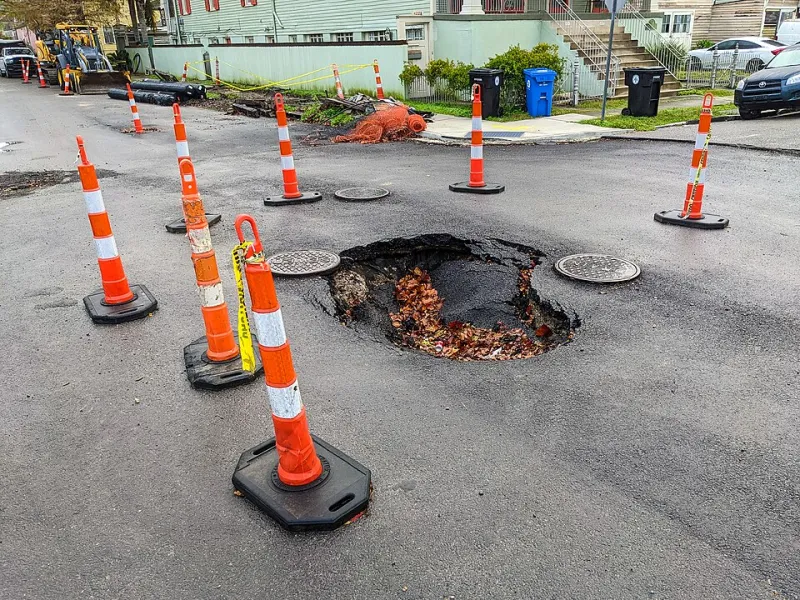
Offer your own knowledge. These community workers are good at their jobs, but they cannot be everywhere. If you notice something they have missed—a newly opened sinkhole, a business operating without visible permits, a property that has been vacant and unsecured for months—tell them. Your neighborhood intelligence has real value.
A Network That Works When You Engage It
Progressive governance is not just about the policies an elected official champions from a podium. It is about building the kind of community infrastructure that gives every resident—regardless of their connections, their fluency in bureaucratic process, or their available time—a fair shot at getting their concerns heard and addressed.
The precinct captains, liaisons, and organizers working in this ward are that infrastructure. They are the reason this office can respond to the breadth of issues that arise in a dense, diverse urban ward without losing individual residents in the shuffle.
Get to know them. They are already working on your behalf. Meeting them halfway will only make that work more effective.
To connect with the community liaison or precinct captain for your area, contact Alderman Moreno's ward office directly. Office hours and contact information are available at aldermanmoreno.com.