Stuck in the System: Why Your 311 Request Is Going Nowhere—And How to Force It Forward
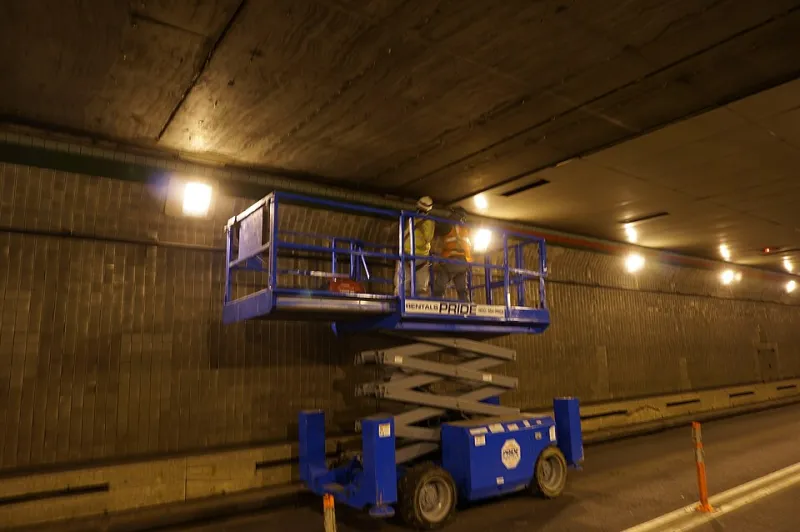
Photo: Metropolitan Transportation Authority of the State of New York, CC BY 2.0, via Wikimedia Commons
Every year, hundreds of thousands of service requests enter Chicago's 311 system. Residents submit them faithfully—through the app, over the phone, online—trusting that the process works as advertised. For many of those requests, it does. A missed garbage pickup gets rescheduled. A broken streetlight gets a crew dispatched within the week. The system hums along, and nobody thinks twice about it.
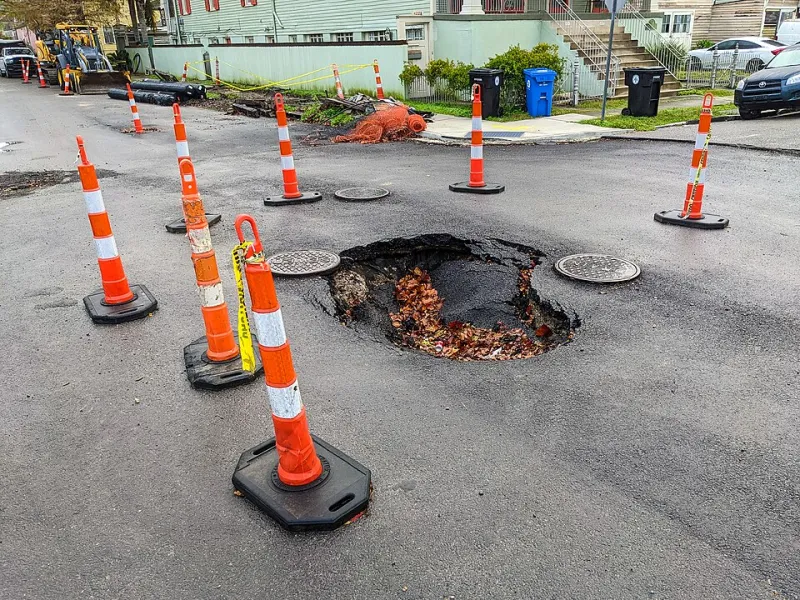
But then there is the other category: the pothole that has been "under review" since February. The cracked sidewalk flagged as a trip hazard that somehow never makes it onto a repair schedule. The tree branch dangling over a power line that has generated four separate ticket numbers and zero action. These are not anomalies. They are, in many wards across this city, the norm for a significant share of submitted requests.
This office has heard from enough constituents—and reviewed enough service request data—to say with confidence that the 311 system is not a neutral queue. It is a layered bureaucratic structure with pressure points, bottlenecks, and, frankly, gaps that swallow certain complaints whole. Understanding those gaps is the first step toward navigating around them.
How the System Is Supposed to Work
When a resident submits a service request through 311—whether via the CHI311 app, the city's website, or a phone call—that request is logged, assigned a tracking number, and routed to the appropriate city department. A pothole goes to the Department of Transportation. A dead tree goes to Streets and Sanitation. A building code concern goes to Buildings.
Each department operates its own internal prioritization system. Requests are theoretically triaged based on factors like safety severity, geographic clustering, and available crew capacity. In practice, however, city staff who have spoken with this office describe a more complicated reality. Staffing shortages mean that lower-priority tickets can sit in queues for weeks before a human being reviews them. Seasonal backlogs—particularly after harsh winters—compound the problem. And departmental software systems do not always communicate cleanly with one another, meaning a request can appear "open" in 311 while having been effectively abandoned in a department's internal workflow.
Why Some Requests Move and Others Don't
The single most significant predictor of resolution speed, based on data reviewed by this office, is not the severity of the problem. It is the volume and persistence of complaints about that specific problem.
City departments track clustering. When multiple service requests reference the same block, the same intersection, or the same address within a short timeframe, those requests are more likely to be flagged for expedited review. A single complaint about a pothole on a residential side street may wait months. Five complaints about the same pothole, submitted by different residents over two weeks, will almost certainly move faster.
This is not a design flaw that city officials are eager to advertise. It effectively means that well-organized, civically engaged neighborhoods—those with active block clubs, neighborhood associations, and residents who know how to work the system—receive faster service than communities where residents are less familiar with the process or have less bandwidth to follow up. That disparity is inequitable, and this office has raised it directly with the relevant departments. But until the system changes, residents deserve to know how it actually functions.
A second factor is visibility. Requests that affect high-traffic corridors, school zones, or areas near aldermanic or mayoral offices tend to receive attention more quickly than those in quieter residential areas. Again, this is not how the system should work. But it is how it does work, and pretending otherwise serves no one.
What City Staff Actually Told Us
In conversations with frontline city workers—speaking on background because they were not authorized to comment publicly—a consistent picture emerged. Crews are often dispatched based on geographic efficiency rather than ticket age. A repair team covering a particular district will knock out a cluster of nearby requests regardless of when those requests were filed, sometimes skipping over older, isolated tickets in the process.
One staff member described the internal queue as "less of a line and more of a map." Requests that fall in areas already scheduled for other work get bundled and resolved quickly. Requests in areas with no other active work orders can wait until a future scheduling cycle brings crews back to that zone—which, depending on the season and budget, could be months away.
This explains why some constituents report that their request was resolved "out of nowhere" after a long wait: a nearby project finally brought crews to their block, and their ticket got swept up in the process.
Practical Strategies That Actually Work
Given all of this, what can a resident do when a service request has stalled? This office recommends the following escalation strategies, in order of intensity.
Resubmit and cross-reference. If a request has been open for more than 30 days without visible progress, submit a new request and, in the notes field, reference your original ticket number. This flags the issue as a repeat complaint and increases its visibility in the queue.
Recruit your neighbors. Ask two or three neighbors to submit their own independent requests about the same issue. As noted above, clustering matters. Coordinated submissions from multiple addresses on the same block carry significantly more weight than a single ticket.
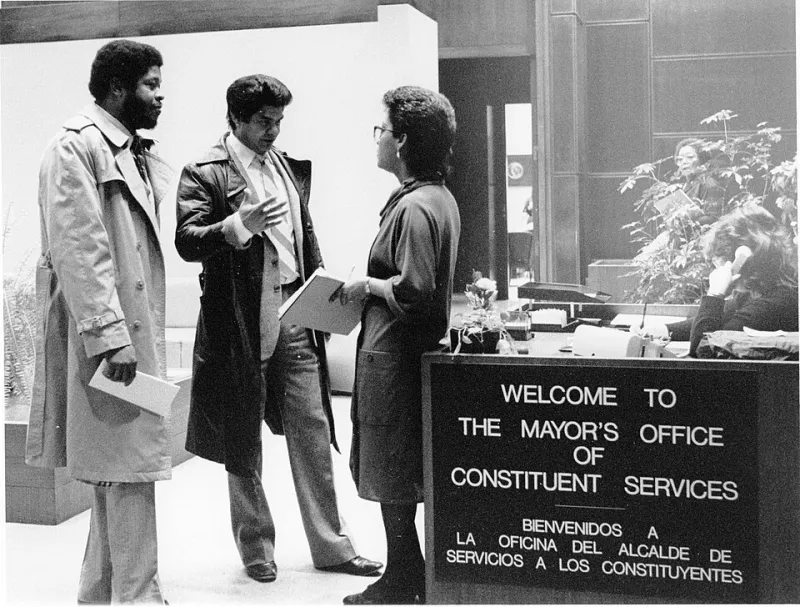
Contact this office directly. Alderman Moreno's constituent services team has direct lines of communication with department liaisons that are not available to individual residents. When a request has been stalled beyond a reasonable timeframe, our office can make a direct inquiry that bypasses the standard queue. This is one of the most concrete services this office provides, and we encourage residents to use it without hesitation.
Document everything. Photographs with timestamps, written descriptions of the hazard, and records of previous ticket numbers all strengthen an escalation case. When this office contacts a department on a constituent's behalf, documentation accelerates the response.
Attend ward meetings and raise the issue publicly. Departments are more responsive to issues that have been raised in a public forum. If your request involves a safety hazard, noting it at a ward meeting creates a formal record that departments are obligated to address.
The Deeper Problem Worth Naming
None of these workarounds should be necessary. A resident who submits a legitimate service request through an official city channel should not need to understand the internal scheduling logic of a city department, recruit neighbors, or contact their alderman's office just to get a pothole filled.
The structural underfunding of city maintenance departments, combined with an aging digital infrastructure that connects 311 intake to departmental workflows imperfectly at best, produces the situation residents encounter every day. This office continues to advocate for greater transparency in service request data, equitable distribution of maintenance resources across wards, and meaningful accountability metrics that departments are required to report publicly.
Until those systemic changes are in place, however, our constituents deserve practical guidance. The system has gaps. Knowing where they are is the first step toward not falling through them.
If your service request has been stalled and you are not sure where to turn, contact Alderman Moreno's office directly. That is precisely what we are here for.