Open Records, Open Government: How to Unlock the Data Your Ward Already Keeps on Your Behalf
Photo: Wing1990hk, CC BY 3.0, via Wikimedia Commons
Every time a resident calls 311, files a complaint about a crumbling sidewalk, or requests a streetlight repair, that interaction enters a system. It gets logged, timestamped, assigned a tracking number, and routed through municipal infrastructure. What most people do not realize is that this data—collectively representing thousands of interactions between constituents and city government—is, in large part, public record.
You paid for that data to be collected. You have every right to see it.
This office believes that informed constituents are the foundation of accountable government. The following guide is designed to help residents understand what records exist at the aldermanic and ward level, how to access them through formal and informal channels, and what patterns that data can reveal about the health of your neighborhood and the responsiveness of the institutions that serve it.
What Records Actually Exist—and Where They Live
The first step is understanding the landscape. Municipal governments maintain several distinct categories of records that are directly relevant to ward-level constituent services.
311 Service Request Logs are perhaps the most accessible. Chicago's 311 system—like similar systems in cities across the country—generates a public-facing dataset that is updated regularly and available through the city's open data portal. These records typically include the type of request, the date it was submitted, the ward in which it originated, its current status, and in many cases, the date it was closed or resolved. Some cities publish this data in near real-time; others update it weekly or monthly.
Zoning and Permit Records document every application for a building permit, zoning variance, or special use approval within a given ward. These are maintained by the city's Department of Buildings or equivalent agency and are generally available through online portals or direct FOIA requests.
Code Enforcement Complaint Records capture instances in which residents or city inspectors flagged properties for violations—anything from structural deterioration to improper waste disposal. These records can reveal which blocks have chronic compliance problems and whether the city has been responsive in following up.
Aldermanic Office Communication Logs, in some jurisdictions, may also be subject to public records laws, particularly when they involve official city business conducted through government email accounts or documented in official case management systems.
How to Request Records You Cannot Access Online
Not every dataset is available through a public portal. For records that require a formal request, the Freedom of Information Act—and its state-level equivalents—is your primary legal tool.
In Illinois, the Illinois Freedom of Information Act (FOIA) grants residents the right to request public records from any public body, including the City of Chicago and its various departments. Requests must be submitted in writing, though email is typically acceptable. The public body is required to respond within five business days, either fulfilling the request, seeking an extension, or denying it with a stated legal justification.
When drafting a FOIA request, specificity is your greatest asset. Rather than requesting "all 311 records," ask for "all 311 service requests originating in Ward [X] between January 1, 2023, and December 31, 2023, including request type, submission date, assigned department, and resolution date." The more precisely you define what you need, the harder it is for a department to claim your request is overly broad.
If a request is denied without adequate justification, residents have the right to appeal to the Public Access Counselor within the Illinois Attorney General's office—a step that carries real weight and has compelled disclosures in numerous cases across the state.
Reading the Data: What Patterns Actually Mean
Obtaining records is only half the work. The other half is knowing what to look for.
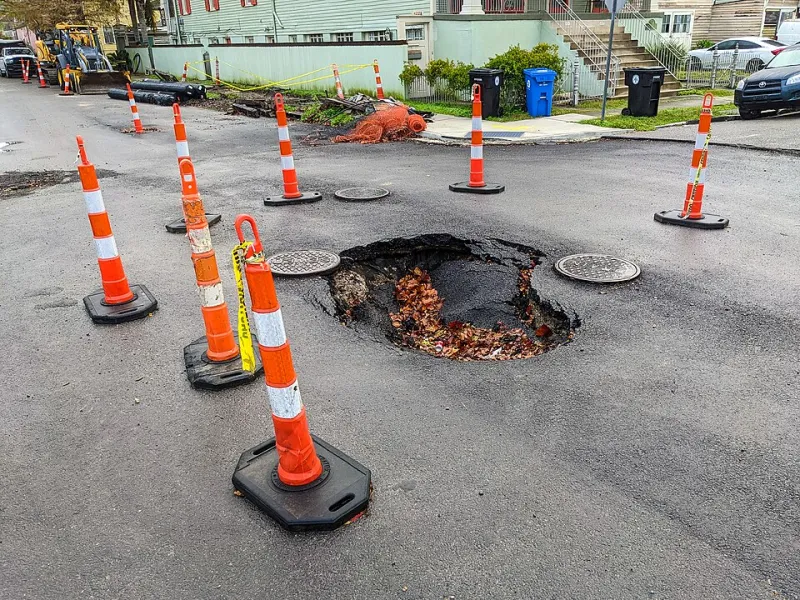
Consider a scenario in which you pull 311 service request data for your ward over a 12-month period. You might notice that pothole repair requests in a particular cluster of blocks consistently remain open for 60 to 90 days, while similar requests in another part of the ward are resolved in under two weeks. That discrepancy is not random. It may reflect staffing allocation decisions, the relative political influence of different neighborhood associations, or systemic prioritization criteria that residents have never been invited to examine or contest.
Similarly, code enforcement data can reveal whether complaints filed in certain areas are being acted upon or quietly allowed to expire. If a property generates repeated complaints over multiple years with no documented inspections or penalties, that pattern tells a story about enforcement priorities—and it is a story residents deserve to read.
When you identify these patterns, you have something more powerful than an anecdotal complaint. You have evidence. And evidence changes conversations with city officials from reactive to structural.
How This Office Uses and Shares Ward Data
This office maintains its own internal case management system for constituent service requests. When a resident contacts us about a neighborhood issue, we log the request, track its progress through the relevant city departments, and follow up until the matter is resolved or a clear explanation for non-resolution is provided.
We are committed to making aggregate, anonymized versions of this data available to the public on a regular basis. Residents should not need a FOIA request to find out how many pothole complaints our office fielded last quarter or what percentage were resolved within 30 days. That information belongs to the community, and we intend to publish it as a matter of standard practice.
We also encourage residents to bring data they have independently gathered to our attention. If you have pulled city records and identified a troubling pattern—a street that never gets repaired, a property that repeatedly evades enforcement, a service category with a chronic backlog—bring it to us. That kind of constituent-driven analysis strengthens our ability to advocate at the departmental and legislative level.
Getting Started: A Practical Checklist
For residents ready to begin engaging with public records, here is a straightforward starting point:
- Visit Chicago's open data portal (data.cityofchicago.org) and search for "311 service requests" to access the city's publicly available dataset. Filter by ward to focus on your immediate area.
- Identify the FOIA officer for the department whose records you need. Most city departments publish this information on their official websites.
- Draft a specific, written FOIA request that identifies the records by type, date range, and subject matter. Keep a copy of everything you submit.
- Note the five-business-day response deadline and follow up in writing if you do not receive a timely response.
- Contact this office if you encounter resistance or believe a denial is unjustified. We can assist in escalating legitimate records requests and connecting residents with legal resources when necessary.
The Broader Point
Transparency is not a courtesy that government extends to residents when it is convenient. It is a structural requirement of democratic accountability. The data your ward generates every day—through complaints filed, requests submitted, violations documented—represents a running record of how well municipal institutions are serving the people who fund them.
Accessing that record is not an act of confrontation. It is an act of citizenship. And this office will always stand behind residents who choose to exercise it.