Green Space on Paper, Neglect in Practice: What Inspection Records and Budget Data Reveal About Our Ward's Parks
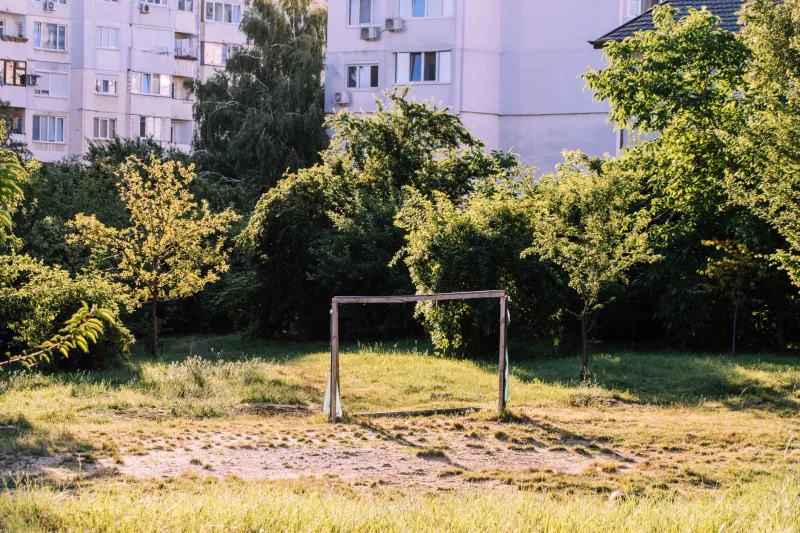
Every spring, the city publishes its parks and recreation budget with language that reads like a promise: renewed investment in community green spaces, upgraded playground equipment, expanded programming, and consistent grounds maintenance. And every summer, residents across certain corners of our ward discover that the promise does not quite reach their block.
Community gardens go untended after volunteer coordinators lose access to storage sheds that were never properly transferred into the city's facilities management system. Park benches sit broken for months because the work order was routed to the wrong department. Grass grows past regulation height not because no one cares, but because the grounds crew assigned to that district is operating two mowers short of what the job actually requires.
This is not a story about bad intentions. It is a story about systems that were never designed to be accountable—and about what happens when those systems go unexamined.
What the Data Actually Shows
A review of park inspection reports filed over the past two fiscal years reveals a pattern that should concern every resident who has ever walked their child to a neighborhood playground. In the ward's higher-density, lower-income corridors, the average time between scheduled inspection visits exceeds that of comparable green spaces in more affluent areas by a margin that cannot be explained by geography or park size alone.
Grounds crew assignment logs—obtainable through the city's public records process—show that equipment is not distributed evenly across maintenance districts. In practical terms, this means that crews responsible for some of the ward's most heavily used parks are also managing the largest square footage per worker, with older equipment that generates more downtime for repairs. When a mower breaks down or a crew member calls in sick, there is no redundancy built into the schedule. The visit gets skipped. The maintenance backlog grows.
Budget allocation patterns compound the problem. Capital improvement funds earmarked for parks are frequently absorbed by emergency repairs elsewhere in the municipal system. Green spaces, which rarely produce the kind of visible crisis that forces immediate political attention, are among the first line items to be quietly deferred. The result is a slow accumulation of neglect that does not show up in any single budget cycle but becomes unmistakable when you walk through the park and count the things that are broken.
Community-Managed Projects: A Particular Vulnerability
Community gardens occupy a uniquely precarious position in the city's bureaucratic landscape. Many were established through informal arrangements between neighborhood organizations and the city's Department of Planning, with lease agreements or memoranda of understanding that were never fully integrated into the parks department's operational records. When staff turnover occurs—and it does, regularly—institutional knowledge about these arrangements disappears with the departing employee.
This creates a situation in which a community garden that has been productively managed by residents for a decade can suddenly find itself without access to water hookups, without the ability to obtain a permit for a new raised bed, or without any clear point of contact in city government who acknowledges responsibility for the space. Volunteers who have invested years of labor into these projects are left navigating a bureaucratic maze that was not built with them in mind.
The cost is not only measured in lost harvests or deteriorating infrastructure. Community gardens and well-maintained parks are documented contributors to neighborhood health outcomes, property values, and social cohesion. When they are allowed to decline, the effects radiate outward in ways that municipal accounting rarely captures.
The Equity Dimension
It would be convenient to attribute these disparities to chance or administrative oversight. The data does not support that interpretation. Neighborhoods with lower median incomes and larger populations of color consistently appear at the bottom of maintenance frequency rankings and at the top of deferred repair lists. This is not a coincidence; it is the predictable outcome of resource allocation decisions made over many years, compounded by the absence of the kind of sustained political pressure that wealthier communities are better positioned to apply.
This office takes that pattern seriously. Equitable distribution of public green space resources is not a secondary concern—it is a foundational one. A park that serves families who have no alternative outdoor space deserves at minimum the same standard of maintenance as a park surrounded by private yards and recreational amenities.
What Residents Can Do Right Now
Advocacy begins with documentation. If your neighborhood park or community garden is experiencing maintenance failures, the most effective thing you can do immediately is create a written record.
File a 311 service request. Be specific: note the location, the nature of the problem, and the date. Request a confirmation number and keep it. If the request is closed without resolution, file again and note the prior ticket number in your description.
Request public records. The park inspection schedule for your district and the maintenance work orders associated with your specific park are public documents. Obtaining them gives you a factual basis for escalating complaints and makes it significantly harder for the city to dismiss concerns as anecdotal.
Attend Parks Advisory Council meetings. These bodies exist precisely to provide community input on maintenance priorities and budget decisions. Consistent, organized attendance by residents who come prepared with documentation changes the dynamic in those rooms.
Contact this office directly. Alderman Moreno's constituent services team tracks maintenance complaints across the ward, identifies patterns, and intervenes directly with the relevant city departments when standard channels fail. If you have been waiting more than thirty days for a parks-related repair request to be addressed, we want to hear from you.
Connect with your community garden's umbrella organization. Many community gardens are affiliated with citywide networks that have established relationships with the planning and parks departments. If your garden is operating in isolation, connecting with one of these networks can provide access to legal support, permit assistance, and political leverage that individual volunteers cannot easily generate on their own.
The Policy Path Forward
This office is actively pursuing several legislative and administrative remedies to address the structural conditions that produce these disparities. Among the measures under consideration: a requirement that parks maintenance data be published quarterly in a standardized, ward-level format accessible to the public; a formal audit of community garden agreements citywide to identify those operating without proper documentation; and a proposal to adjust the grounds crew staffing formula to account for usage intensity rather than acreage alone.
None of these changes will happen quickly, and none will happen without sustained resident engagement. The budget decisions that created the current maintenance backlog were made over years, and reversing them requires the kind of consistent political attention that this office is committed to providing—but that is also strengthened immeasurably when constituents show up, speak on the record, and make clear that green space equity is a priority they intend to hold their representatives accountable for delivering.
The parks in this ward belong to the people who live here. The records that document how they are maintained belong to those same people. Using both to demand better is not just a right—it is exactly the kind of civic engagement that makes local government work.